When COVID-19 hit, it triggered a seismic transformation in the electronic music world (and beyond) - one not seen since the dawn of the streaming era. What is beautiful to hear, though, is that the industry has bounced back from the aftermath and, in some ways, is reaching greater heights than before. According to the latest IMS Business Report, the global electronic music industry was valued at $12.9 billion in 2024 - a 6% increase from the year before. Furthermore, electronic music is steadily becoming a bigger part of the global festival landscape, and its dominance at Coachella this year highlights that sentiment. Held in Ibiza last month, the International Music Summit featured the release of the IMS Business Report, a data-rich document tracking the evolution of electronic music, highlighting everything from streaming and consumption patterns to genre popularity.
We've seen a notable upsurge in various genres that have been influenced by shifting trends and factors associated with globalization. Some of the most popular genres in the electronic realm at the moment weren't born in larger markets like Berlin or London. In this article, we dive deep into the IMS Business Report and beyond, and explore the fastest-rising electronic genres of the post-COVID era. Below, you can also find our playlist, which leans towards a laid-back sound of electronica.
In 2026, genres like UK Garage, Afro House, Jazz House, Baile Funk, Melodic Techno, and Drift Phonk are leading the next wave of electronic music growth.
UK Garage
Even though UKG fell from (mainstream) grace a decade ago and its pieces fell into other genres of music, right now, we’re witnessing the phoenix ascend from the ashes as this generation has given UK garage new life. For the past 3 years, we’ve been experiencing a UKG revival, and a rising tide lifts all the boats – jungle, breakbeats, speed garage, and bassline have also received an increase in popularity.
In case it's your first time hearing of UKG, it is certainly not a new phenomenon. UK garage is a dance-oriented genre that arose during the early ‘90s in the UK. It’s recognizable through its heavy and/or wobbly basslines, continual 4/4 or 2/4 rhythmic pattern, along with its upbeat and raw demeanor. During the mid-2000s, the commercial prosperity of UK Garage started to dwindle, overshadowed by the rising popularity of genres like grime and dubstep. As these new styles gained traction, numerous artists and producers embarked on a journey to discover other innovative expressions, causing UK garage to become more closely linked with its underground origins.
Stay up to date.
New music and exclusive updates in your inbox weekly.
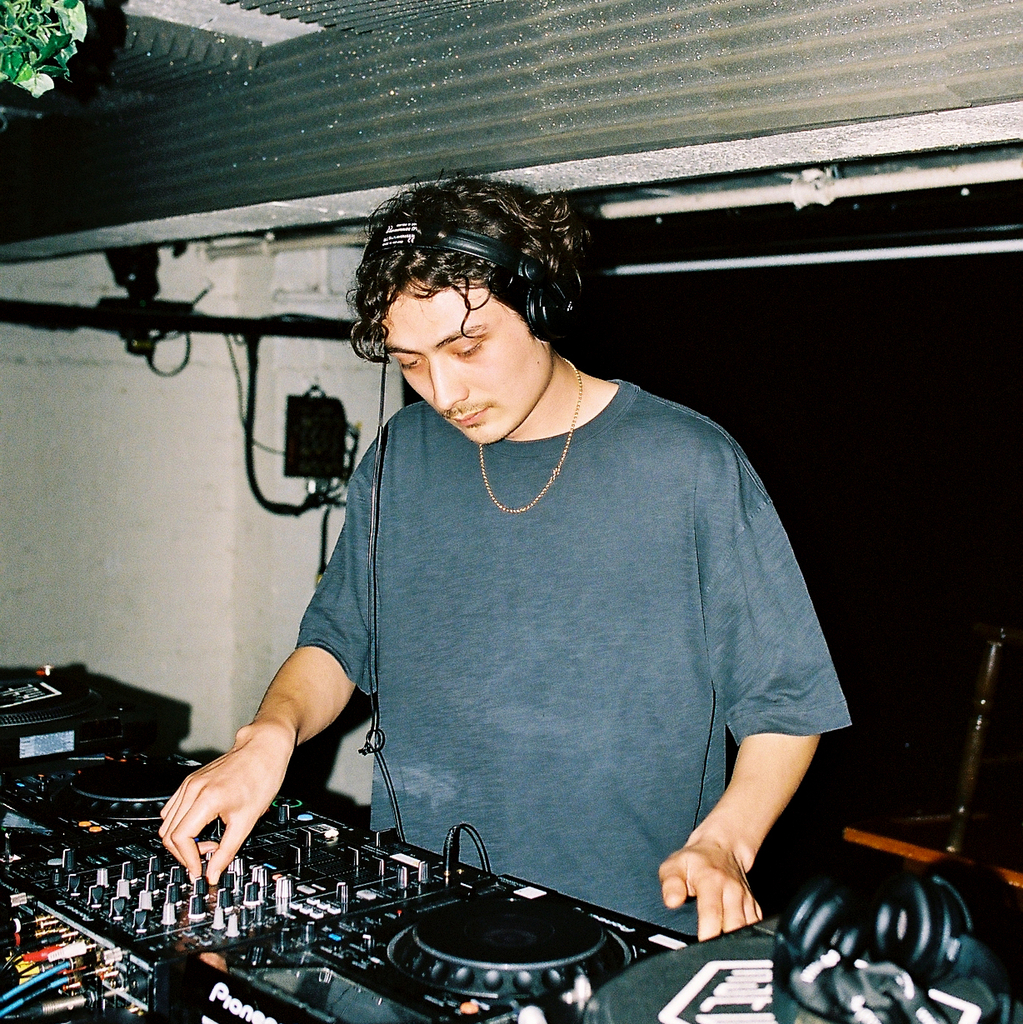
Despite the decline in mainstream success, UK garage maintained a dedicated and loyal following, and its impact continued to be felt through a range of genres. We’re at a place right now where UKG artists are flooding Beatport, being played continuously on BBC 1, and topping the charts in a way we haven't seen throughout the mid to late 2010s.
"A new revival of UK Garage and the aptly named, bass-oriented Bassline, is well underway. Scene plays are up 31% in the last year and are on track to rise an additional 20%, with the scene most popular in the UK, followed by the US, Australia, and Germany. Artists like Sammy Virji, Scruz, and Notion are leading the new wave."
This quote is taken from the IMS Business Report detailing UKG's prominence on Soundcloud too.
UK Garage Influential Artists
- Sammy Virji
- Interplanetary Criminal
- Fred again...
- Bicep
- PinkPatheress
- MPH
- salute
Jazz House
Jazz house is a genre that blends the rich melodic roots of jazz with the vibrant rhythms and progression of house music, prioritizing groove and musicality over heavy drops or breakdowns. For years, jazz appreciation has often been tied to perceptions of elitism or reserved for an older generation, but jazz house flips that narrative on its head. It makes jazz feel cool and accessible, proving it can belong just as much on a dancefloor as in a concert hall. Often overlapping with deep house and lo-fi house, the genre draws on jazz chords, live instrumentation, and emotional depth while maintaining a smooth, danceable pulse that feels both sophisticated and welcoming.
This past year, we've seen a lot of TikTok content revolving around the aesthetic of jazz house bars, and this could be a big reason for the insane growth of the genre, despite the fact that there's nothing new about jazz house. We have a full article dedicated to the history and evolution of jazz house, if you're interested.
If you want to explore more of the genre, we highly recommend checking out our Jazz House Chill playlist on Apple Music/Spotify, or our friends at Platoon's Jazz House selection on Apple Music. Full of gems.
Jazz House Influential Artists
- Berlioz
- Kareem Ali
- Bolden.
- Chaos in the CBD
- dublon
- Felipe Gordan
Afro House
While UKG is going through a revival, Afro House has recently risen to the height of its global dominance. In 2023, Afro House emerged as a major player in electronic music, ranking as the 23rd most searched genre globally. Multiple data sources have also confirmed the momentum behind Afro House, Amapiano, and other Sub-Saharan African genres - culminating in Amapiano’s entry into Beatport’s top ten genres. This hints at what I mentioned above, where a rising tide lifts all the boats, as another South African genre known as Gqom has reawakened from its slumber since it experienced a decline in recent years.
Explore the rise of Amapiano as one of the fastest-rising genres globally over the past few years, thanks to our recent piece about its ascension and history.
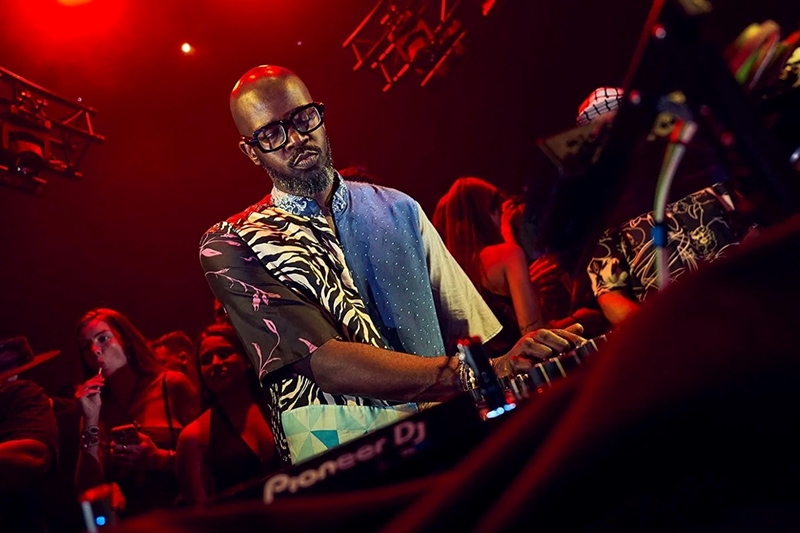
Rooted in South Africa and rising to prominence in the '90s, Afro House is a sub-genre of house music originally known for its distinctive sound that blends elements of Kwaito, Tribal, Deep House, and Soulful House. On a logical and tangible level, a core feature that characterizes an Afro House track is rhythm - the repetition and percussive embellishments give it a unique flair, and so does the inclusion of ethnic (African) instrumentation. Keys, luminous synths, and beefy bass lines with a punchy groove are features that are typically found in the genre, too, particularly in the modern era of Afro House. Beyond its sonic elements, Afro House often carries a profound spiritual depth tied to African belief systems. This is powerfully reflected in the work of artists such as Thandi Draai, Lizwi, and Eli Fola.a
Afro House has experienced an explosive rise in the last three years, becoming the fastest-growing genre according to the IMS Business Report - not only dominating Beatport but also trending across music production platforms like Loopcloud and Splice. It's tough to pin down the EXACT reason that led to its rapid ascension; this deserves its own article. But below we've listed the factors that have had a massive influence on its popularity as of late:
- Afro House Edits: The transformation of extremely popular songs into Afro House renditions.
- Rise of Afro-Diasporic Influence in Pop Culture: Afrobeats and Amapiano exploded globally, drawing attention to the wider spectrum of African electronic sounds. Afro House benefited from that, too
- Surge in Production Interest: Platforms like Loopcloud, Splice, and sample libraries reported Afro House packs as top downloads, indicating that many new producers are experimenting with its textures and rhythms, further fueling the genre’s evolution.
- Integration into Western Club & Festival Circuits: Afro House became a regular feature at global festivals and club nights, from Cercle shows to Ibiza residencies. Labels like Keinemusik, Innervisions, and Rise helped bridge the gap between Afro House and European melodic techno scenes.
Afro House Influential Artists
- Black Coffee
- Shimza
- Rampa, &Me, Adam Port (Keinemusik)
- Caiiro
- Boddhi Satva
- THEMBA
- AMÉMÉ
Baile Funk (Brazilian Funk)
Like many, my first introduction to the world of Baile Funk was through Seattle-based producer Sango. During the early years of his career, the sound of his Brazilian heritage was tastefully interwoven into his distinctive brand of future beats - but this was still quite "niche". The release of Mc João's "Baile de Favela" in 2015 was the moment Baile Funk reached unimaginable corners of the internet and shook dance floors across the globe. Now, 10 years later, Brazilian Funk has become one of the most vital and culturally rich movements in global music. In fact, Beatport has endorsed this sentiment by recently launching Brazilian Funk as a standalone genre on their platform, further shining a light on this vibrant sound.
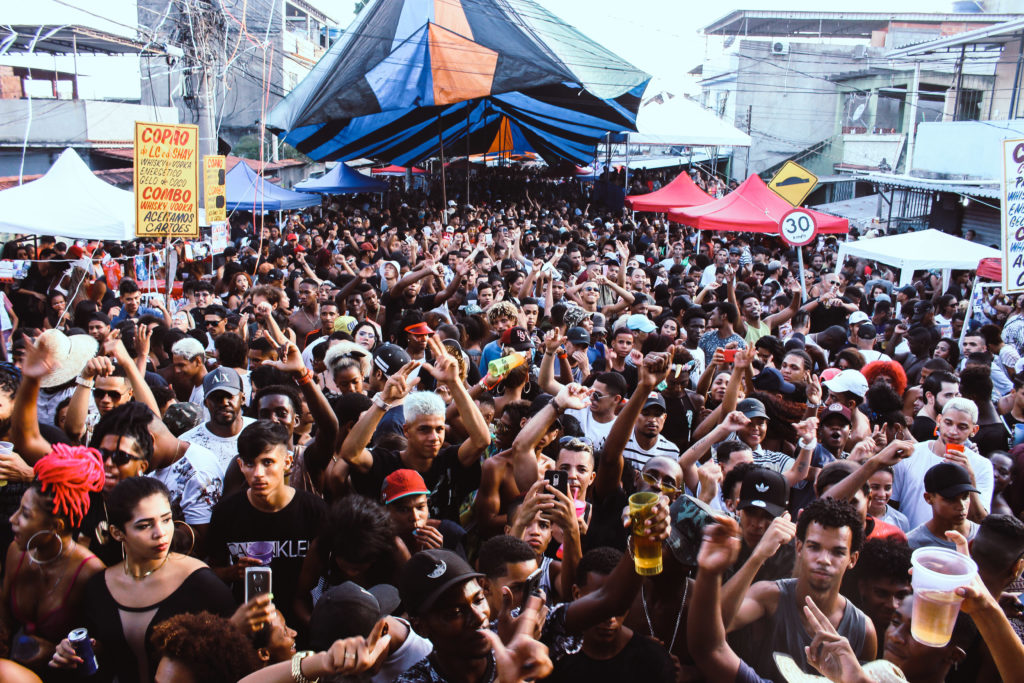
In Brazil, "Baile Funk" is less about the sound and more about the scene - it refers to the gatherings or parties where the music thrives. Baile Funk (aka Funk Carioca) came to life during the mid-1980s in the bustling favelas of Rio de Janeiro, and over the years, it washed over the streets of Brazil to eventually spill into mainstream consciousness. Traditionally, Samba, Miami Bass, Latin music, hip hop, and African influences were the ingredients that created the savory flavor of funk. The impacts of globalization and social media have brought the genre to a place where, currently, there are over 10 subgenres of Baile Funk. So melodically, anything, and I mean ANYTHING, goes when it comes to the creation of funk - abrasive bass lines, pots and pans, smooth synths, obscure samples, pitched vocals, you name it. It's a very expressive genre. But what it's all usually tied to is that addictive rhythmic phrase "Bum-Cha-Cha, Bum Cha-Cha", "Bum-Cha-Cha, Cha Cha" or even "Boom-Pop-Pop, Pop, Pop" originally popularized by Brazilians and other Afro-Latino people.
Thanks to TikTok and virality culture, Funk artists' collaboration with global superstars, and the genre's hybridization into other popular genres, Baile Funk has seen a major surge in international popularity.
Baile Funk (Brazilian Funk) Influential Artists
- Anitta
- MC Livinho
- Pabllo Vittar
- MC Dricka
- MC Don Jon
- MC Kevin O Chris
- MC Kevinho
Melodic Techno
When electronic producer Anyma released his debut album Genesys via Interscope Records (owned by Universal Music Group) in 2023, this solidified the arrival of melodic techno into mainstream consciousness. The genre lingered just above the underground for years, until the duo Tale of Us gave it the thrust to launch it into the stratosphere. Right as the world finally emerged from the restrictions of COVID-19, many live music fans were utterly in awe of the visual production of Afterlife (an event by Tale of Us), sparking a level of intrigue never seen before within the sphere of melodic techno. These videos not only sparked viral moments, but they also proliferated the sound of melodic techno into the furthest corners of the internet.
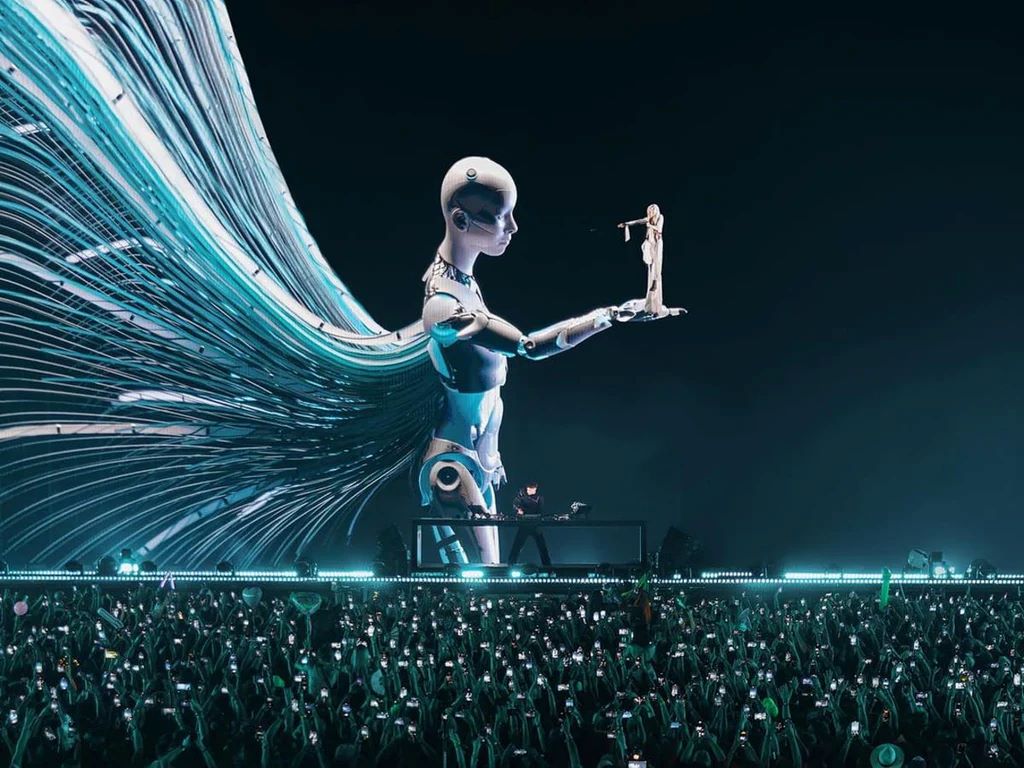
Melodic techno is a subgenre of techno that blends the hypnotic, driving rhythm of classic techno with rich melodic elements and atmospheric sound design. In fact, the simplest way to recognize this genre is through the distinctive sound design and the rolling bass lines. Unlike traditional techno, which focuses heavily on rhythm and texture, melodic techno integrates emotional, often cinematic melodies and progressions. This, paired with larger-than-life visuals as if you're watching IMAX, is a combination that has allowed Afterlife to attract a range of new audiences to the genre.
In response to the rising appetite for emotionally driven and musically detailed electronic music, Beatport officially introduced the Melodic House & Techno category in 2020 - within which melodic techno has since established itself as a defining subgenre. The year after, melodic house & techno consistently ranked among the top five best-selling genres on Beatport, competing closely with tech house and techno. We have also observed a surge in the number of melodic techno artists featured in playlists such as Electronic Rising and All New Dance, and the progressive house playlist Night Rider increased in popularity. With more artists gaining recognition within the sphere of melodic techno, it's no wonder that melodic techno samples on Splice saw a year-over-year increase of over 140% in 2024 - a clear sign that more and more producers are diving into the genre’s sound.
Melodic Techno Influential Artists
- Sephan Bodzin
- Tale of Us
- Anyma
- Massano
- ARTBAT
- Adriatique
- Argy
(Drift) Phonk
Here is something that'll surprise you - the biggest Spotify editorial playlist in the realm of electronic music is not house, techno, or even electronica, it's actually Phonk (+10 million saves, more than half of RapCaviar). What makes this so ironic is that Drift Phonk is an "underground" genre with its own lore, visual aesthetic, and lingo. It's a planet with a strong gravitational force that pulls a wide range of sounds and themes into its orbit. From house and EDM to baile funk, hip hop, trap, and even alpha/sigma male aesthetics to anime-inspired themes, Drift Phonk feels like the digital wild west - constantly shifting, expanding, and redefining itself in a beautifully chaotic manner.

When you listen to what's popular in today's phonk scene, it's hard to believe that this genre has its roots in ’90s Memphis rap. This style of rap grew its gritty character from ghostly melodic samples, rugged half-time rhythms, and a lo-fi charm born out of DIY creativity and limited resources. When it came to the rapping, a trademark that can't escape mention is the dark, pitch-down vocals and the imaginative lyrics that were known to send shivers down the spines of new listeners, thanks to the gory content of the songwriting. While Phonk’s sound has slowly shifted over time, the last five years have marked a dramatic leap, spawning a diverse array of substyles. In the late 2010's, we saw Drift Phonk ascend to notoriety. This is a Russian variant of the sound heavily associated with clips of cars racing and anime edits. The drums and 808s are brazen, fuzziness defines the textural tapestry, the synths are shockingly bright, and of course, cowbell embellishments pierce through the mix. However, Drift Phonk is only one corner. Lately, the new generation phonk sound has absorbed international flavors, weaving in elements from scenes in Mexico, Brazil, India, Argentina, and beyond.
Considering how niche Drift Phonk is, the fact that its tracks now regularly hit hundreds of millions of plays feels almost unbelievable. One of the main reasons why the genre exploded is because Phonk's sound is made for viral content, making new-gen variants perfect for background music in short, high-adrenaline videos about street racing/drifting edits, gym/workout clips, dark or edgy fashion transitions, and nostalgic montages. What helps is that platforms like TikTok, Instagram Reels, and YouTube Shorts prioritize audio trends. When a track becomes a common sound, the platform promotes more videos using that track, and new creators mimic the trend to get traction.
The official Phonk playlist on Spotify has grown by 2.3 million followers in the past year alone, and the hashtag #phonk has amassed more than 31 billion views on TikTok - this wave is not slowing down anytime soon.
(Drift) Phonk Influential Artists
- Kordhell
- INTERWORLD
- KSLV Noh
- DXRK
- PlayaPhonk
What's really starting to become clear is that niche subcultures are transforming into global cultural movements thanks to festival circuits and social media. A younger wave of fans and creators is redefining electronic music culture - reviving long-standing genres, reinterpreting their sounds, and building fresh scenes of their own. This is happening at a pace we haven't seen in previous years and is certainly contributing to the overall growth of the global electronic music industry.
Mugs, t-shirts,
hoodies, vinyls & more.