Today, we're chatting with Georg and Christoph, the Swiss brothers behind jazz fusion duo okvsho, and diving into their latest album, Frozen Flashes.
I discovered okvsho about two months ago, when one of their upfront singles on the album, "Where moments wait", popped up on my Spotify. I instantly loved the track, wrote a blog feature, and went down the rabbit hole of digging up all their music. Naturally, I jumped onto our team chat to share my exciting music discovery, only for Ivo to reply, "Oh yeah, they're friends, we've supported them for about 10 years," and send me a SoundCloud link to their debut release from 2016, which had actually premiered on Stereofox's channel.
Needless to say, I love the album and most of the tracks were a natural fit for our Nu Jazz Today playlist selection.
What a full-circle moment! At the time, I was only five or six months into the team, so I had no idea about Stereofox's history with the duo. But discovering and loving music that had been part of Stereofox's story for almost a decade, without even knowing it, confirmed to me once again that I had found my place.
Ivo then put me in touch with the guys, and here we are, ten years after that first release, getting to know them a little better. So, without further ado, let's dive into our conversation.
Stay up to date.
New music and exclusive updates in your inbox weekly.
For our readers who haven’t heard of okvsho before, could you introduce yourselves in a couple of sentences?
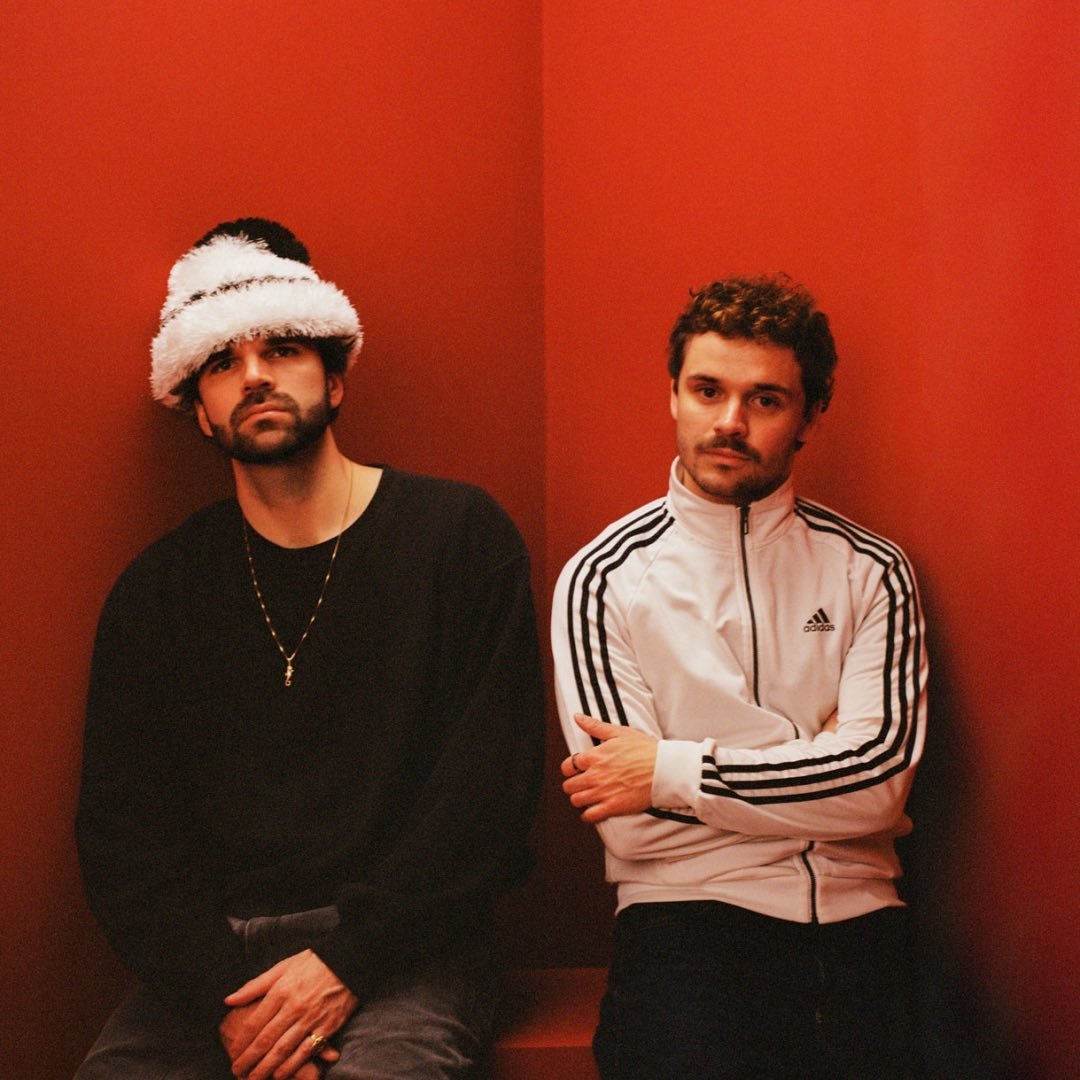
We’re two brothers from Zurich who started making beats together and somehow turned that into an increasingly complicated logistical operation involving jazz musicians, synthesisers, vans, graphic designers, and approximately 46,000 cables.
After listening to the album in full, the first word that came to my mind was “lush.” What’s one word that each of you would use to describe it?
That's a nice word for it. One of the things we love about making music is its ability to express feelings and atmospheres with a depth that words sometimes don’t allow for, while still leaving room for different understandings. Depending on where you are in life, or simply what mood you’re in, you might experience the same piece of music very differently. So we’d like to leave a little blank space here, for the listener to fill in.
How has it felt to put the album out into the world, and how has your audience been reacting so far?
It’s strange because by the time an album comes out, you’ve listened to it so many times that you’ve completely lost any idea of what it sounds like to someone hearing it for the first time. So it’s been really nice seeing people pick out completely different tracks and details.
What does this album mean to you, what inspired it, and how is it different from your previous work?
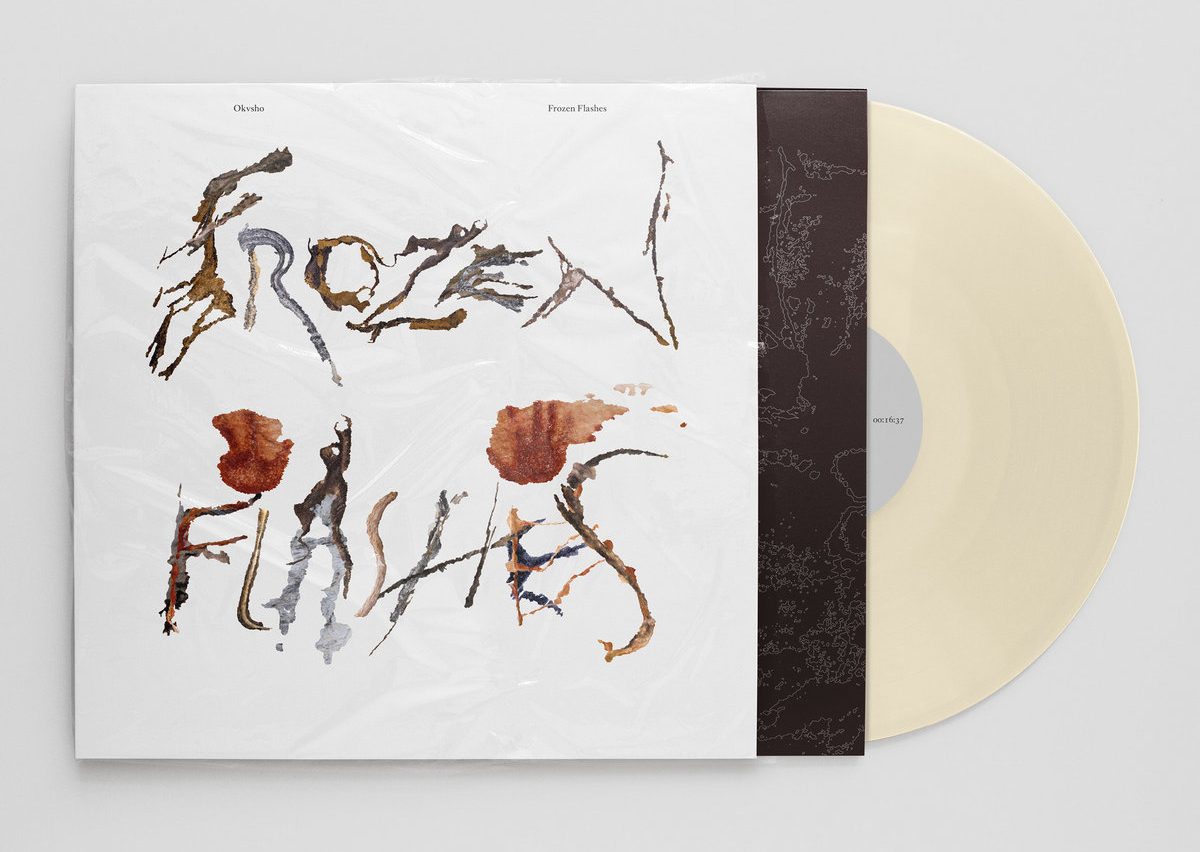
Musically, we were listening again to a lot of broken beat, trip-hop, neo-soul, and electronic music from the late ’90s and early 2000s. Our previous projects often had a warmer ’70s-inspired palette. Frozen Flashes is darker and a little more synthetic.
The title is about trying to preserve things that are impossible to preserve: tiny moments during a session where something happens that nobody planned and probably couldn’t reproduce. So naturally we spent months reproducing them.
Apart from you guys, who else is on the album? I heard some lovely saxophone and flutes throughout, as well as great percussion, seriously groovy basslines, and some interesting featured artists. How did those different contributions shape the record?
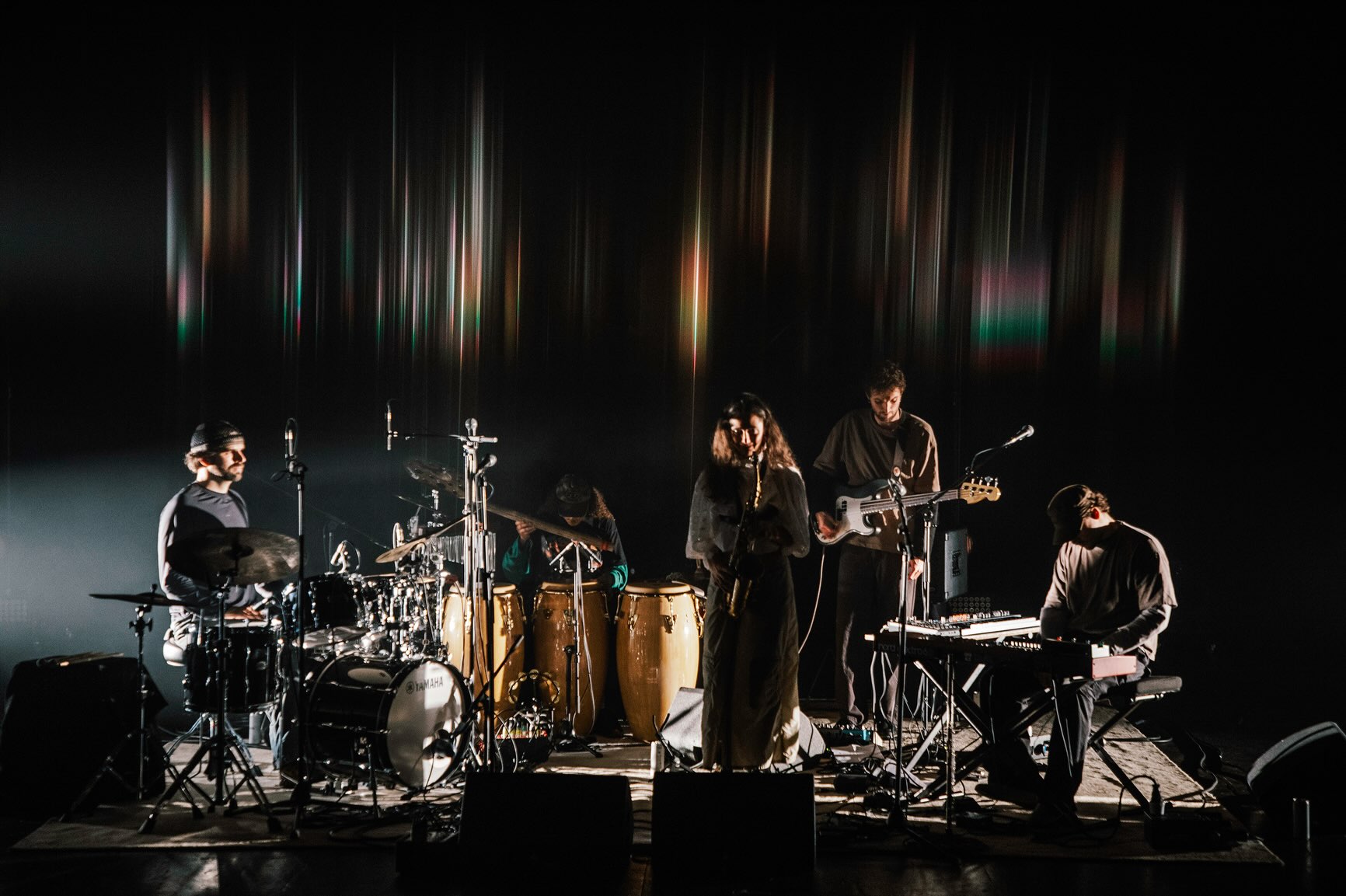
A lot of the record is really the sound of the musical ecosystem around us. Sara El Hachimi, Bérénice Awa and Elias Kirchgraber are also part of our live band, so by now there’s a shared language between us.
Then there are many more people from the Swiss scene around us, like Rachid Freudemann and Miss C-Line, who wrote the string arrangements, alongside the features from Azekel, Tenderlonious, Melodiesinfonie and FloFilz.
Roland Vollenweider has also mixed our music since our very first project, using a lot of analogue equipment that has become an important part of how our records sound.
What did the recording process look like? Did you have everyone together in the studio, or were parts recorded separately and brought together later in the production process?
Our preferred recording method is to put very good musicians in a room, tell them not to think too much, record everything they do, and create an atmosphere of complete artistic freedom. Then they leave. Then we become dictators. We cut things up, move notes to completely different places, turn four seconds into a loop, and occasionally construct an entire song around something somebody played while they thought the take had already finished.
Do you each have a favourite track on the album & why is it special to you?
Not specifically, but “Where moments wait” was the first track we produced for the album and therefore the starting point that set the tone for the whole project.
You’re brothers, so you’ve obviously known each other your whole lives, and you’ve been creative collaborators for quite a while too. How do you navigate working together?
The useful thing about being brothers is that there isn’t much diplomacy. We can disagree quite strongly about something without interpreting that disagreement as the collapse of the project.
Has working together creatively ever revealed something surprising about the other person?
Not really. We’ve been working creatively together since we were little kids, back when our main practice was designing and constructing entire Kapla cities and mixing them with old “Brio”-Bahn parts. So at this point, very little is surprising.
You’ve already headed out on your big European tour - it must be really exciting to be able to bring the new album to new audiences! How are you feeling?
Very excited. One of the nicest things about the project is that releasing the album isn’t really the final form of the music. With Okvsho +experience, the tracks become unstable again. We improvise quite a lot, so after spending months carefully deciding exactly where every sound belongs, we go on tour and immediately start changing everything. It’s a very inefficient system.
What do you enjoy most about touring?
The best part is arriving somewhere you’ve never been and finding out that people there somehow know the music. The internet has made this seem normal, but it really isn’t. You sit in a basement in Oerlikon moving a hi-hat around for three hours and six months later someone in Copenhagen knows exactly what you were doing. Before shows the whole band gets together and dances to Cumbia. It started as a way to deal with nervousness and has gradually developed into something between a warm-up routine and a minor religious movement.
Finally, do you share the same taste in music? Is there an artist or record that you both consider a major influence on okvsho? And if you have completely different answers, we’d love to hear one from each of you.
There’s a big overlap, mostly because we’ve been exchanging music with each other since long before either of us developed an independent personality. But if we had to identify the single most influential cultural institution in the history of Okvsho, it was probably the YouTube algorithm around 2016.